
The clearest signal from the oil market this week is that it cannot make up its mind. Brent plunged 9.2% on November 4 to $94.11 a barrel after Democrats seized control of both chambers of Congress, raising hopes that President Trump could face pressure to end the war with Iran. Then, within two sessions, Brent rebounded to trade near $100 and WTI climbed back into the low $90s as fresh attacks pulled traders back the other way. Brent ultimately settled at $98.32 on Friday, ending the week roughly where the geopolitical argument runs out of conviction in either direction.
That indecision is the story. Not the crash, not the rebound.
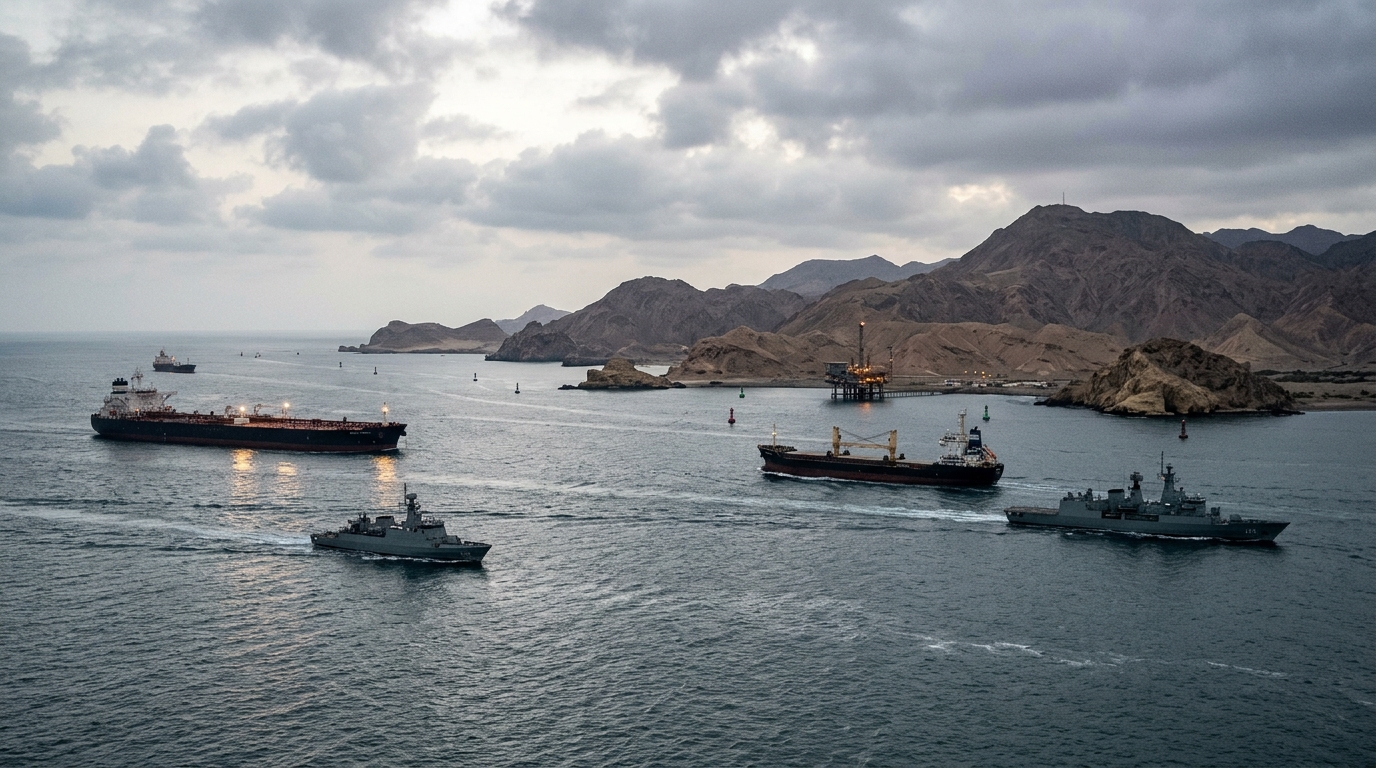
Oman and Iran discussed efforts to resume navigation through the Strait of Hormuz without obstacles during a telephone conversation between their foreign ministers on Thursday, with both sides emphasising the need for sustainable understandings to ensure maritime safety. Those diplomatic contacts came as Iran’s Navy reported that an oil tanker caught fire after hitting a naval mine in waters east of the Strait the same morning. Peace call and mine strike, same day. The market priced both and arrived nowhere decisive.
The diplomatic framework has been months in the making. Under the current proposal, ships entering the strait would use the channel closest to Iran, with Iran coordinating inbound traffic, while vessels leaving would use the Omani side, with Muscat managing outbound traffic. That arrangement would formalise rather than dissolve Iranian control. Washington has resisted it on those grounds. An exclusive understanding between Iran and Oman over the waterway runs contrary to one of Washington’s core demands, and rather than curbing that control, such a deal would lend it greater legitimacy by formalising Iran’s position, analysts say.
Meanwhile, the IRGC’s mine claims keep coming. As of November 6, neither CENTCOM, JMIC, UKMTO, nor any flag-state maritime authority has confirmed mine strikes on the tankers described in any of the IRGC’s recent announcements. That matters. The market is partly trading unconfirmed claims. When official maritime bodies eventually respond, the price reaction could overshoot in whichever direction they point.
OPEC+ is not adding clarity. Major OPEC+ nations reaffirmed plans to keep oil production quotas unchanged in December. The quotas are almost academic right now, with several producers constrained by the conflict and its spillovers in the Gulf. Policy for next year will be settled at a full ministerial meeting on November 29.
The energy equities most exposed to this whipsaw are the refiners and tanker operators rather than the producers. Tanker rates reflect what insurers believe about Hormuz passage risk, and right now that risk premium is being renegotiated daily. Any shipper with significant Persian Gulf exposure is effectively priced again every session by news flow, not by fundamentals.
What to watch: the November 29 OPEC+ ministerial meeting will set 2027 policy, but the more immediate variable is whether Oman and Iran reach a written framework before then. Brent and WTI are heading for weekly declines of approximately 12%, their steepest since 2020. That scale of move in one week should not resolve cleanly. Expect the $94 to $102 range to hold until either a confirmed ceasefire mechanism or a confirmed major supply disruption forces the market’s hand.